TL;DR
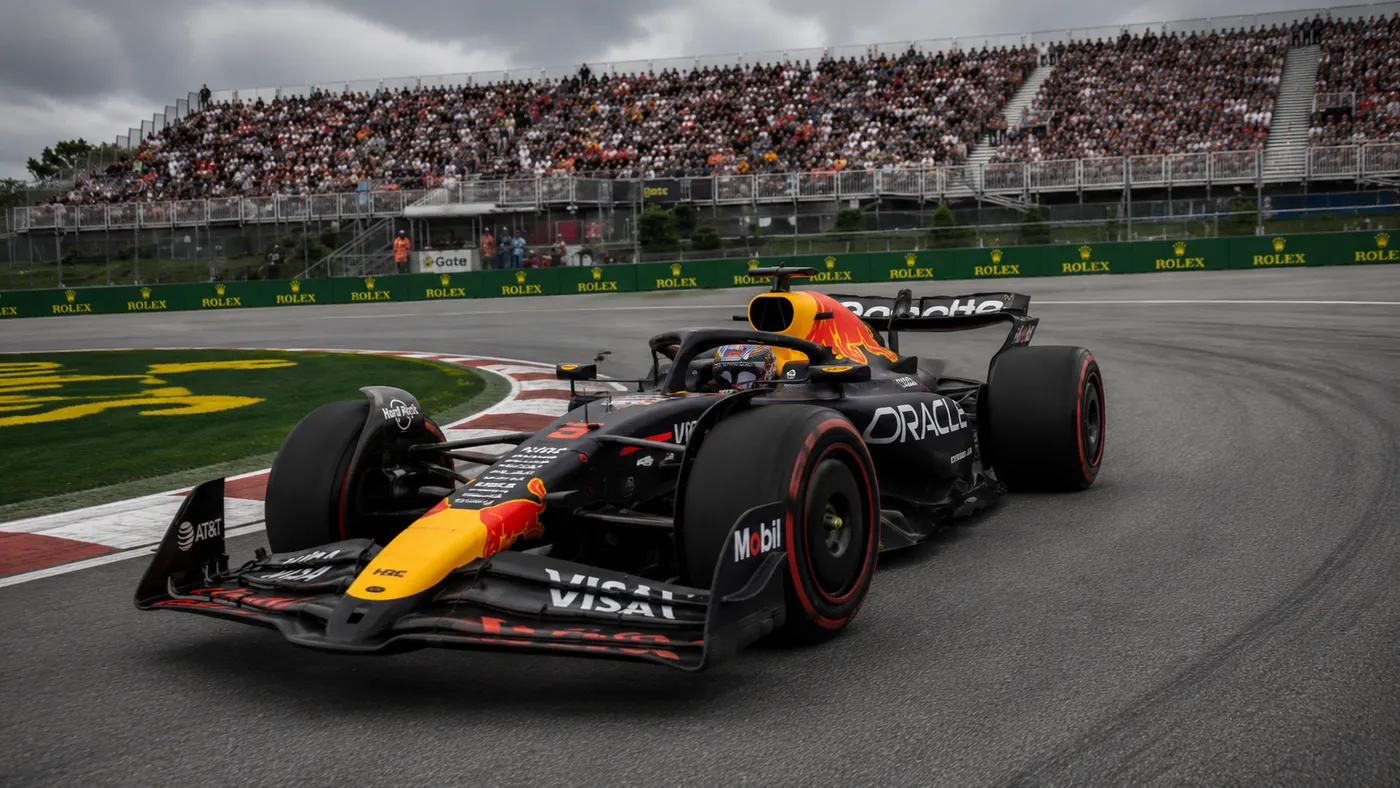
- Red Bull sent Hadjar back onto track after losing a lap specifically to collect tire, fuel, and suspension data for qualifying and Sunday's race.
- Most business owners stop checking their marketing data the moment results drop, exactly when measurement matters most.
- Marketing telemetry answers specific questions: where leads drop out, which traffic converts, what happens between the ad click and the form fill.
- Companies that grow consistently have systems telling them what's working, not instinct.
During the Canada Sprint Race, Isack Hadjar was running P8 when his engine lost power. He came into the pits, dropped a lap, and rejoined at the back. His race was done.
Red Bull sent him back out anyway.
The team needed data for qualifying and Sunday’s Grand Prix: tire degradation curves, fuel consumption under race load, suspension behavior through specific corners, brake temperatures at specific braking points. None of it would change where Hadjar finished that day. All of it would inform the decisions that came next.
The pit wall kept working
While Hadjar circulated at the back, the engineers weren’t watching with sympathy. They were reading telemetry, comparing it to previous sessions, building a sharper picture of how the car behaves under race conditions that can’t be replicated in testing.
The data was worth collecting regardless of the result it came from.
What most business owners do instead
When marketing results drop, most owners go quiet on the data side.
Traffic down? “Analytics can wait until we fix the ads.” Conversion rate dropped? “We’ll figure out measurement once sales pick back up.” Leads drying up? “No point tracking what isn’t working.”
That order is wrong. When results go sideways is when measurement matters most. Without data, you’re not diagnosing the problem; you’re guessing at it. You change three things at once and have no way of knowing which one worked, or which one made things worse.
What telemetry actually tells you
In F1, telemetry answers specific questions: where is the tire wearing fastest, what’s the car doing in sector two that it isn’t doing in sector three, where are the tenths going.
In your business, a measurement system answers the same kind of questions: where leads drop out of your funnel, which traffic source converts and which burns budget, what happens between the ad click and the form fill.
Revenue numbers alone don’t answer those questions. Finishing positions don’t tell an engineer where to find lap time. You need the layer underneath — the data that explains the result.
Why the front-running teams stay at the front
The teams at the top of the F1 grid aren’t there because they always have the fastest car. They’re there because they make better decisions, more consistently, across a full season. Better decisions come from better data and a system for acting on it.
The same pattern holds in business. Companies that grow consistently aren’t guessing at what’s working. They have systems that tell them. Dashboards that answer specific questions. A measurement plan that connects marketing activity to business outcomes.
Red Bull sent Hadjar back out when the race was over. They treated the data as worth collecting regardless of the result.
Continue reading: Why Smart Businesses Measure Even When They’re Losing →
Frequently Asked Questions
Why should I keep measuring my marketing when results are down?
Without data during a downturn, you can't isolate the problem. You'll change multiple things at once with no way of knowing which change worked. Measurement gives you a baseline to compare against, so you can make targeted fixes instead of overhauling everything at once.
What is marketing telemetry?
Marketing telemetry refers to the continuous data your tracking system generates: traffic sources, conversion rates, funnel drop-off points, cost per lead by channel. Like the hundreds of data points an F1 car generates per second, it tells you specifically where performance is gained or lost, not just what the final result was.
What marketing data should I track even when results are bad?
Track the same things you track when results are good: lead volume by source, conversion rate at each funnel stage, cost per qualified lead, and where prospects drop off. A downturn is when this data becomes most useful, because it shows you exactly where the problem is happening rather than just that a problem exists.
